
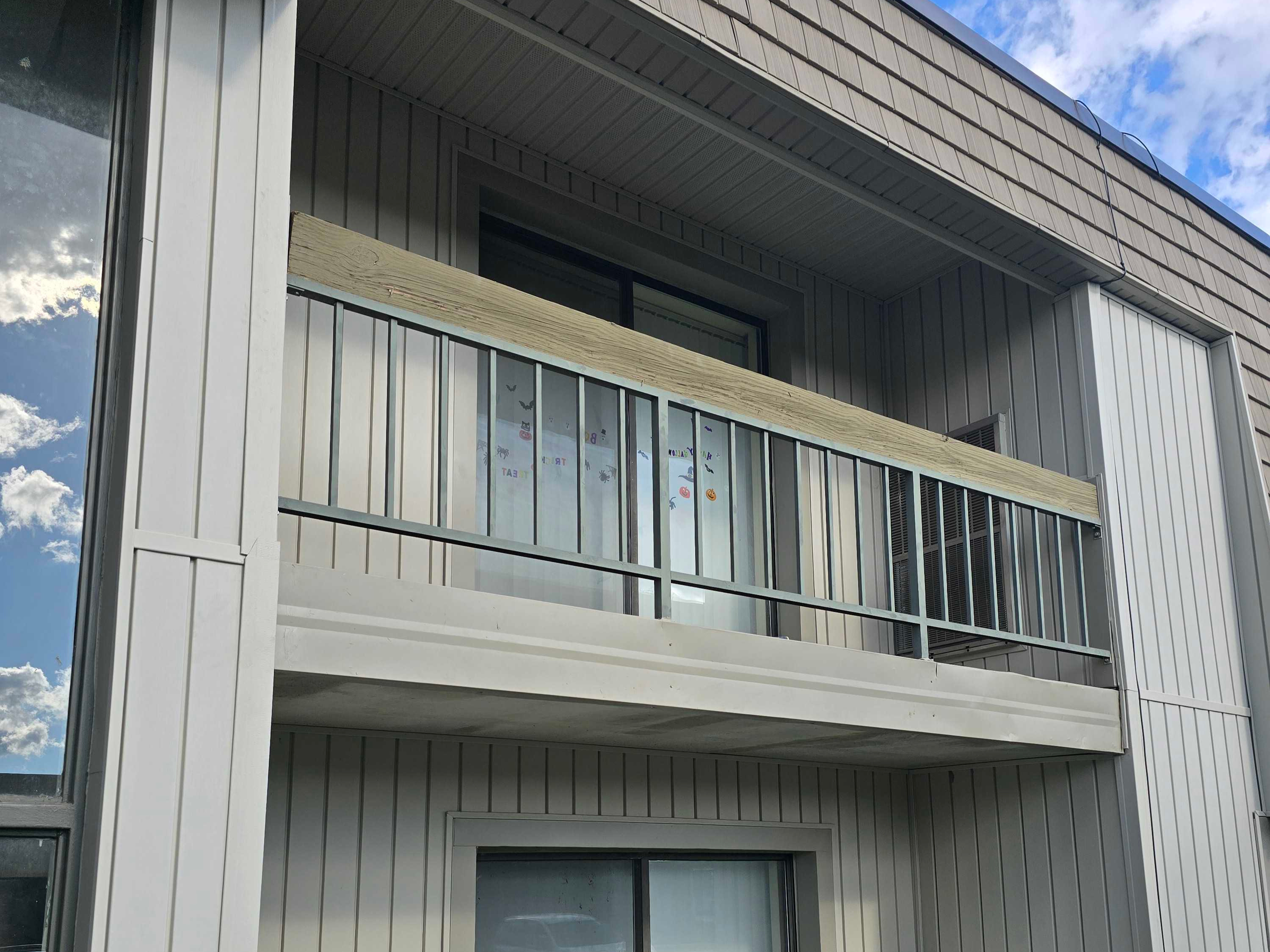
The concrete topping on an occupied apartment balcony had failed and needed full removal and replacement. But with balcony restoration, what is visible from the surface doesn't always tell the full story.
Once demolition began, we uncovered deterioration extending into the precast balcony slab, including spalled concrete and heavily corroded reinforcing steel along the exterior edge. The additional deterioration required repair before the balcony could be rebuilt.
At the same time, the work had to be performed at an occupied apartment community. Residents needed advance notice before crews accessed their balconies, and railings, flashing, and soffit components had to be carefully removed and reset as part of the repair.
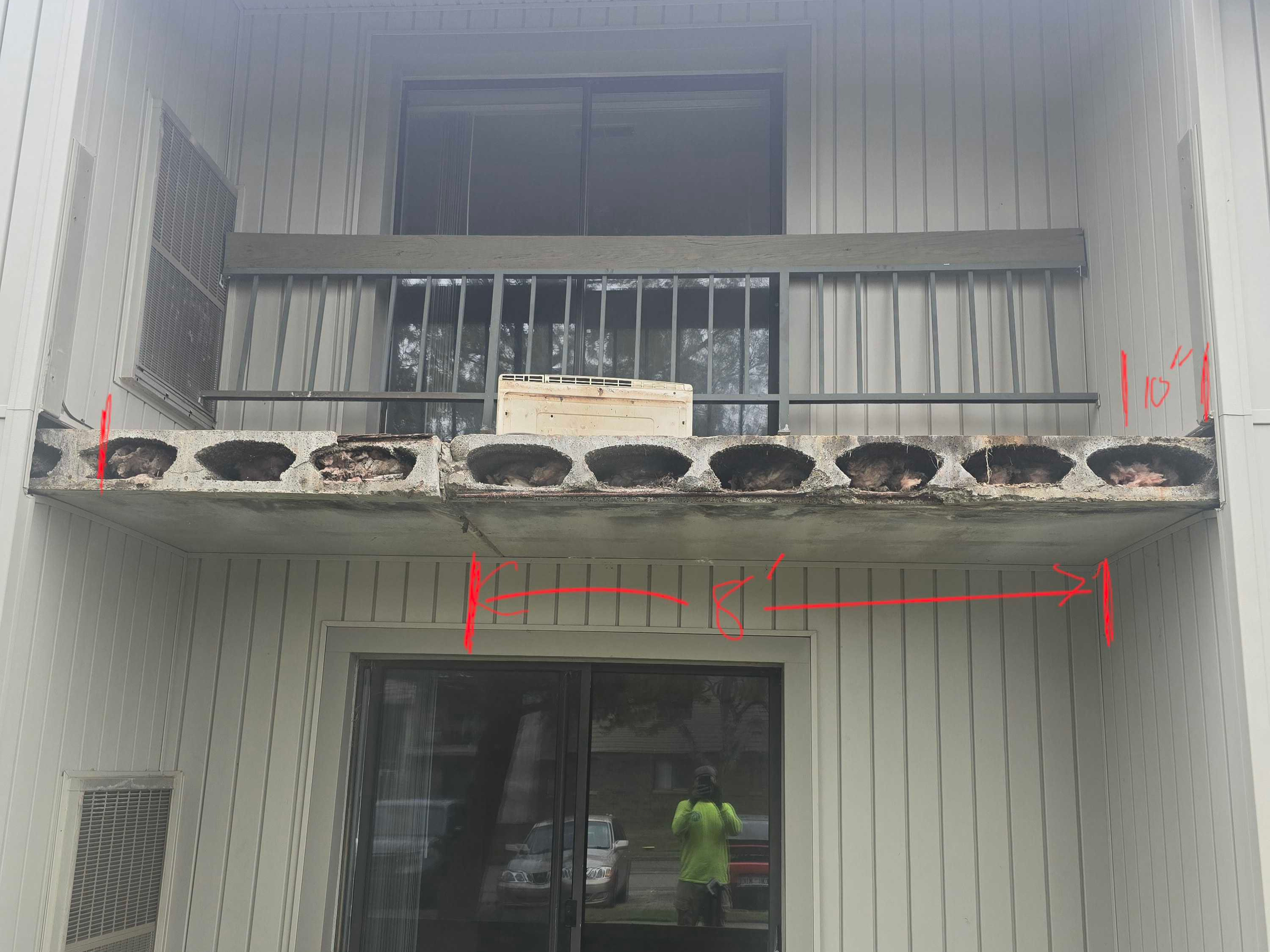
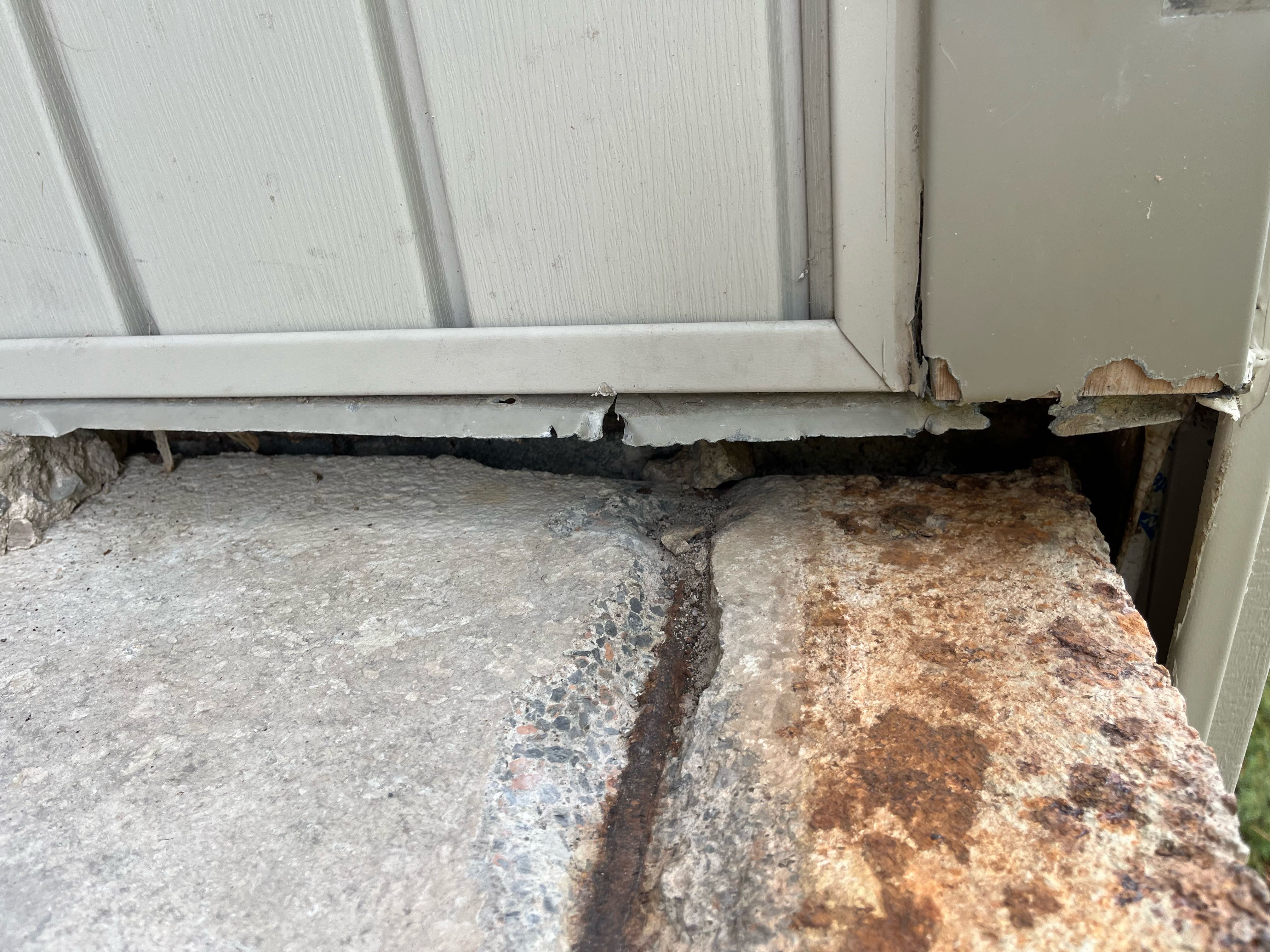
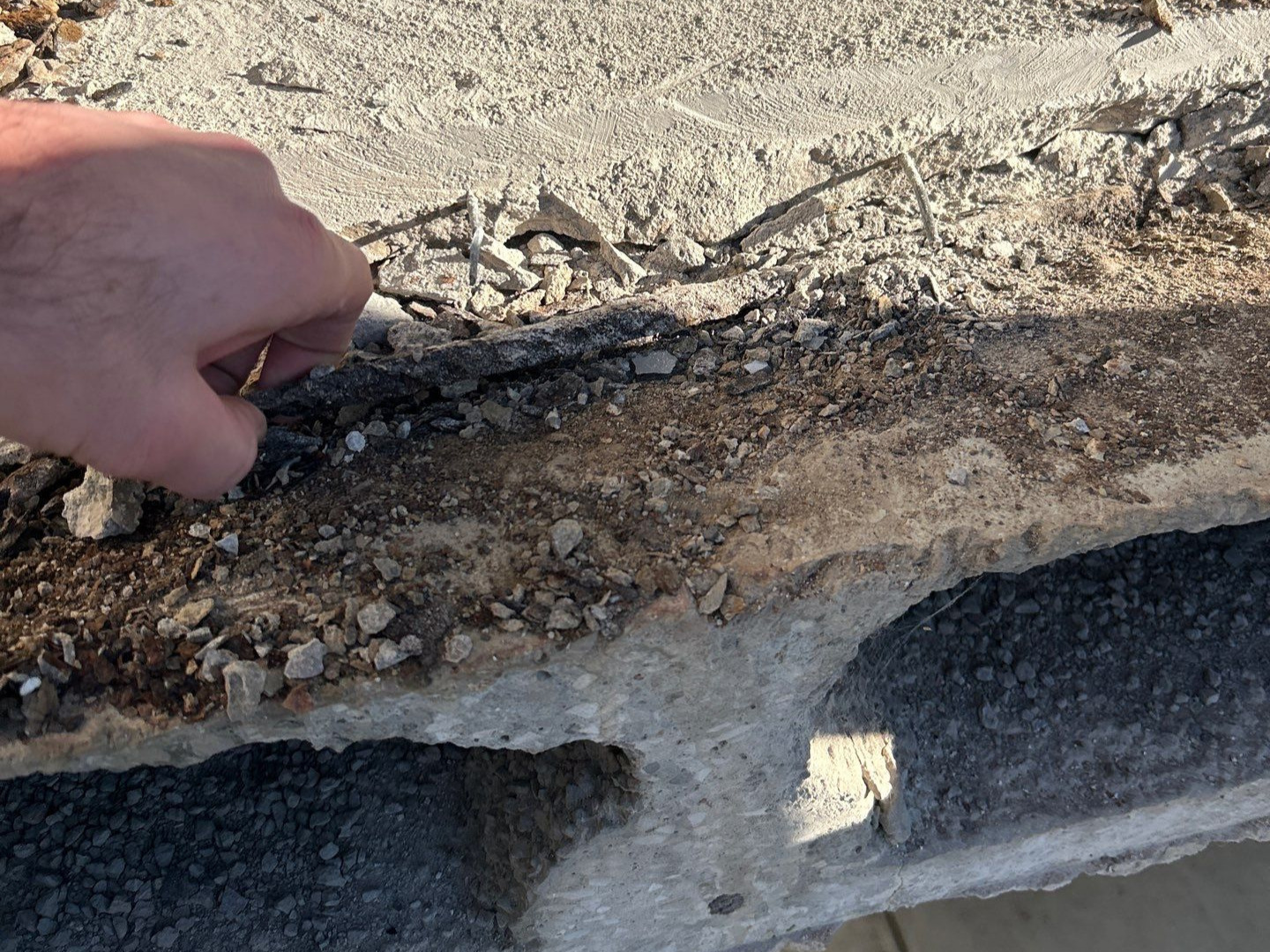
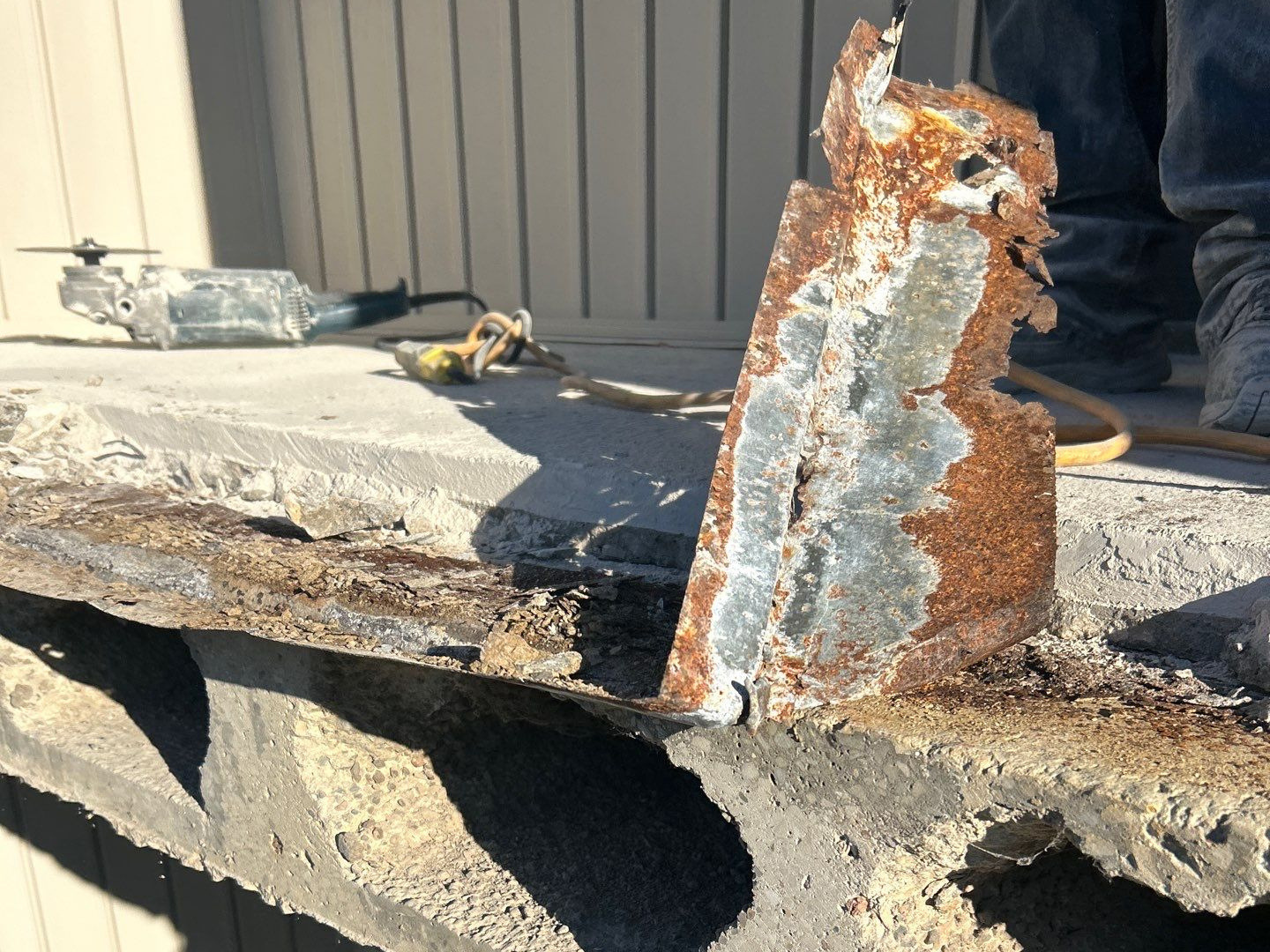
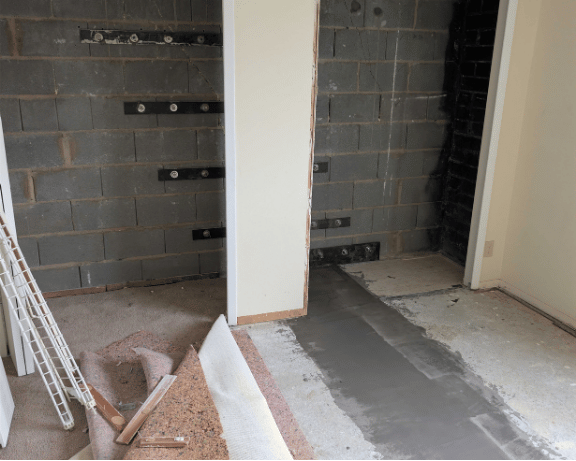
Our team saw-cut and removed the failed concrete topping down to sound material. With the slab exposed, the crew could identify deterioration that wasn't fully visible beforehand, including damaged concrete and corroded reinforcing steel at the balcony edge.
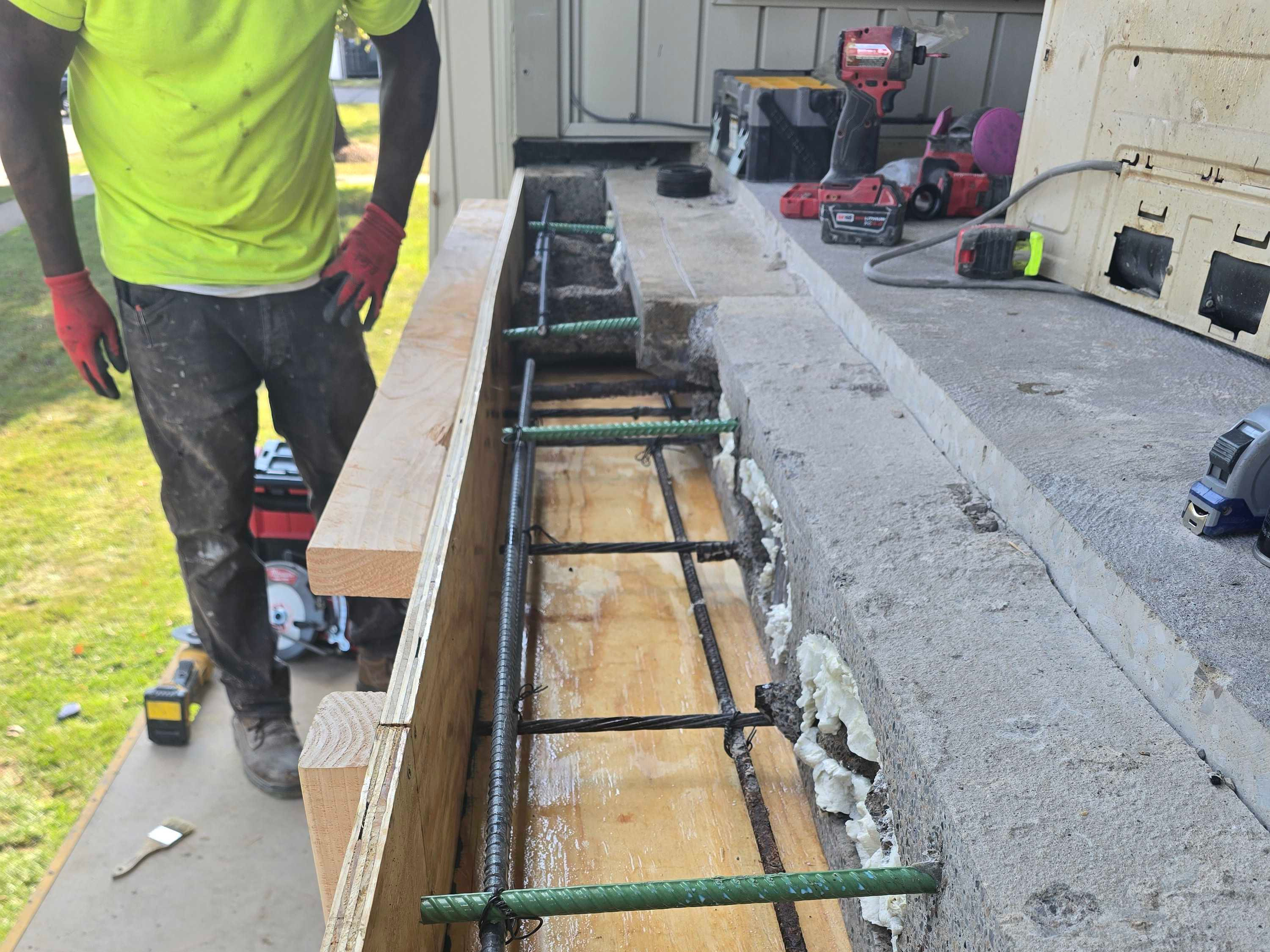
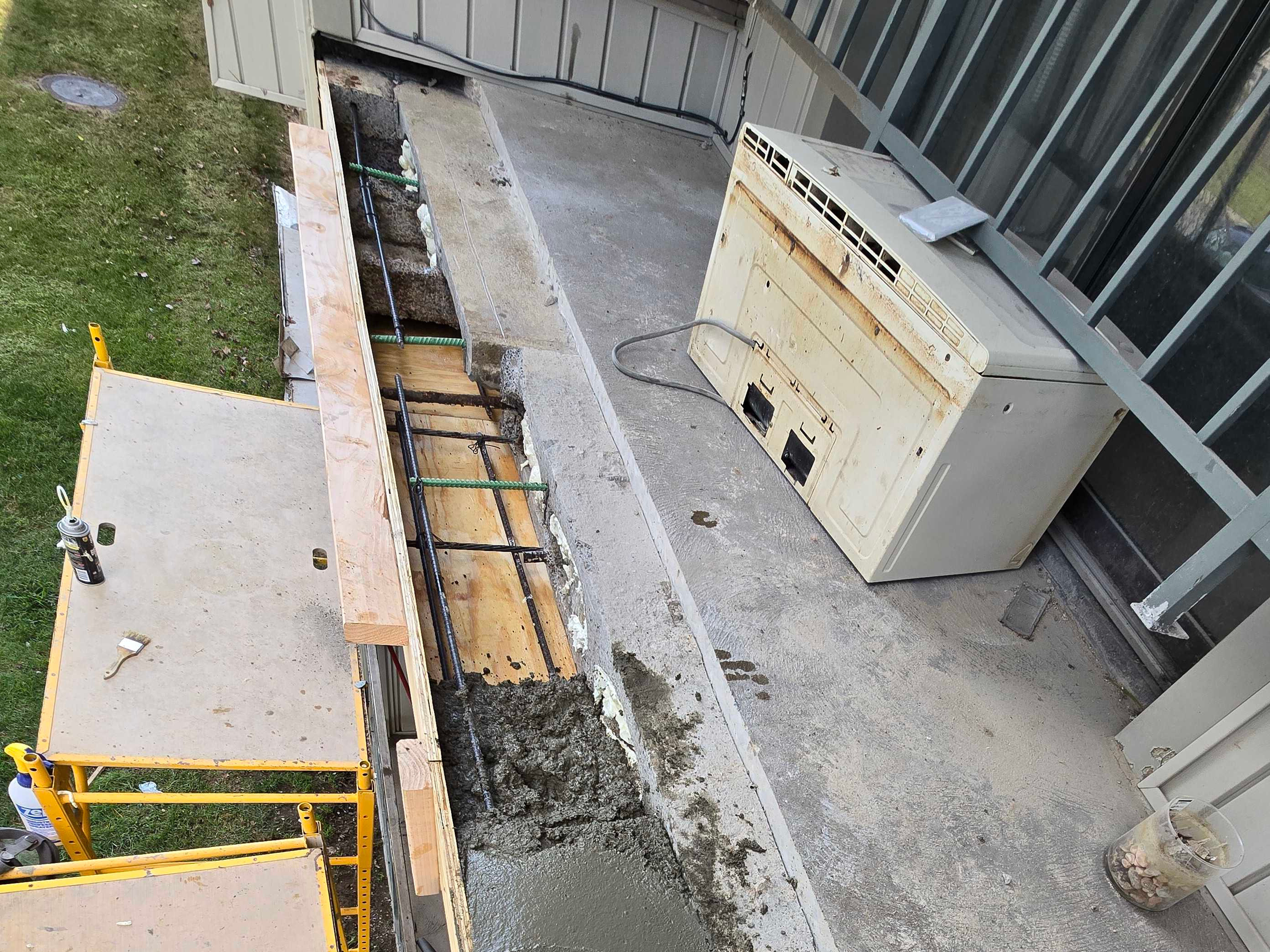
Rather than simply replacing the topping over deteriorated concrete, we removed unsound material and completed the necessary plank repair. Additional deterioration uncovered on a neighboring balcony was repaired at the same time, keeping both balconies moving on the same schedule.
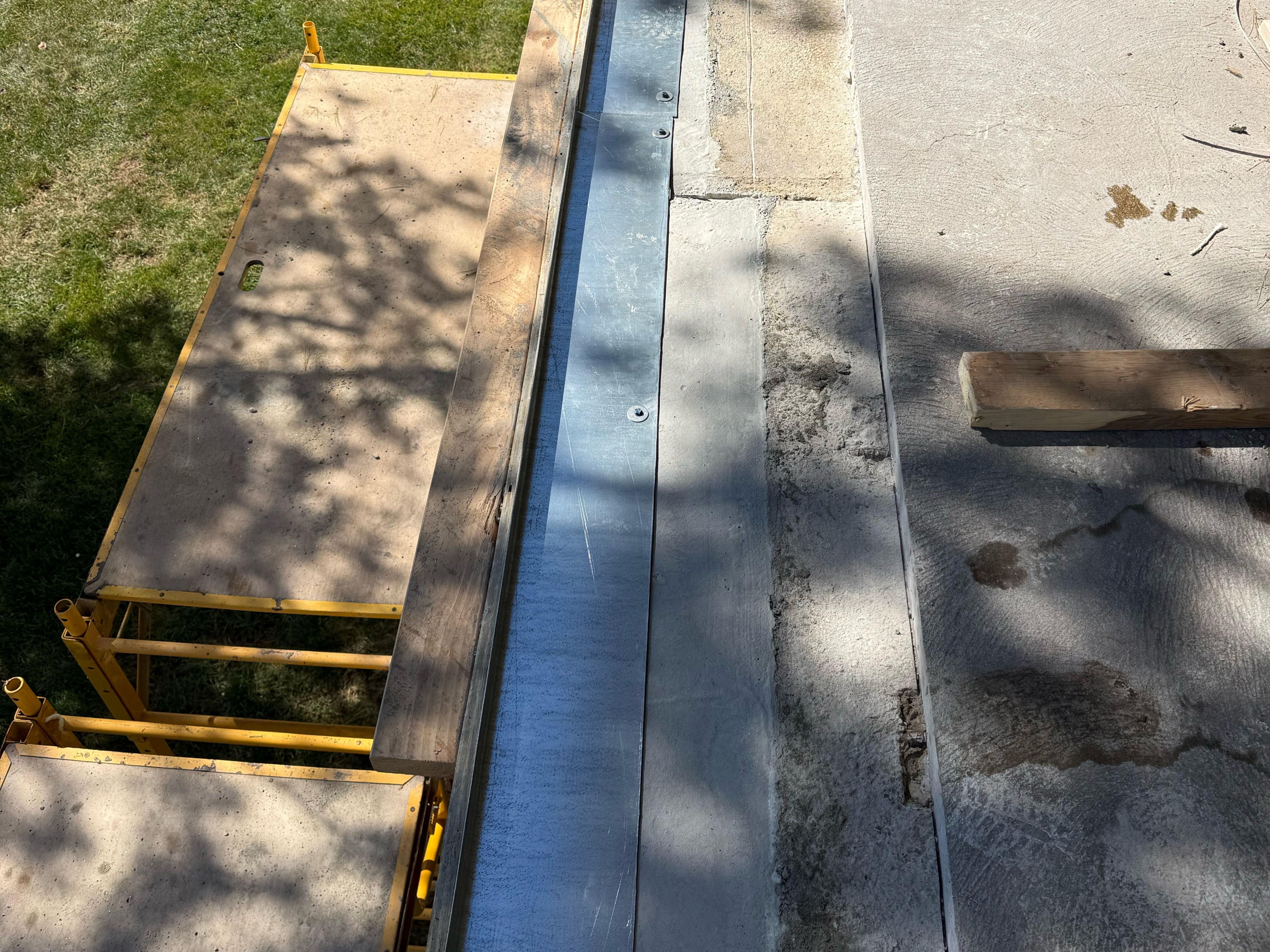
Our team had completed similar balcony repairs at this community in previous years. The crew followed the established repair sequence and reused a galvanized pour stop fabricated for earlier phases of the work.
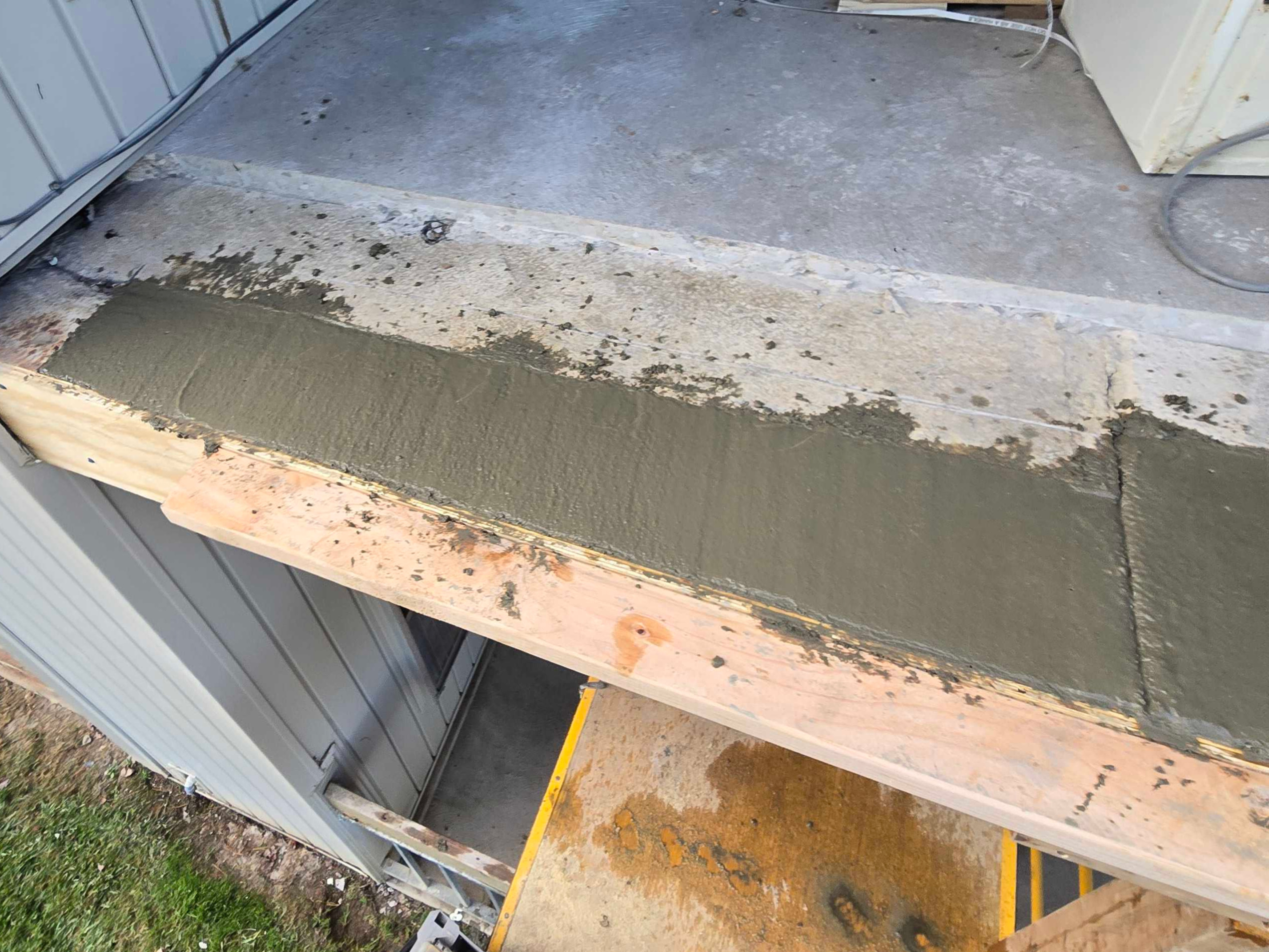
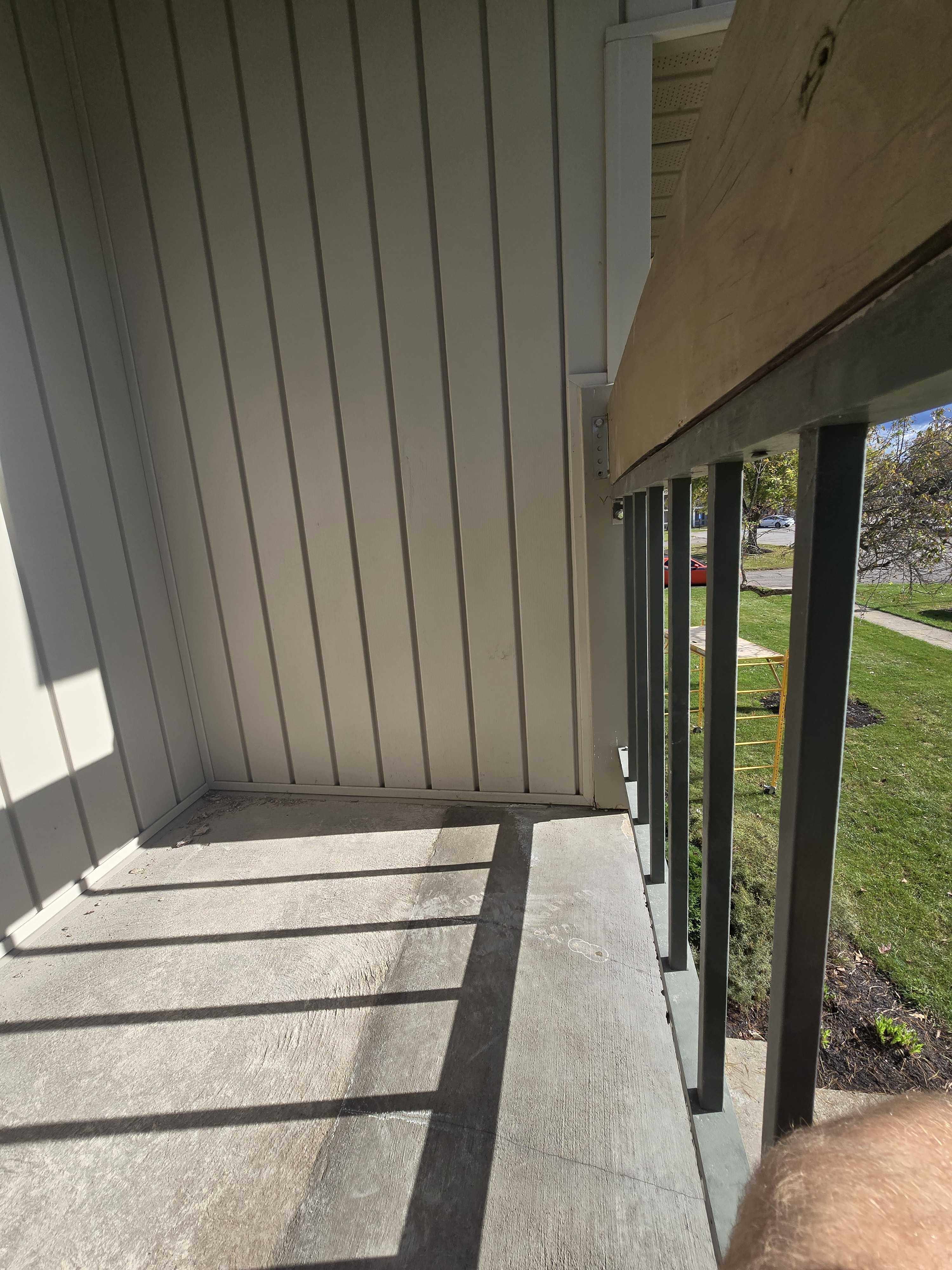
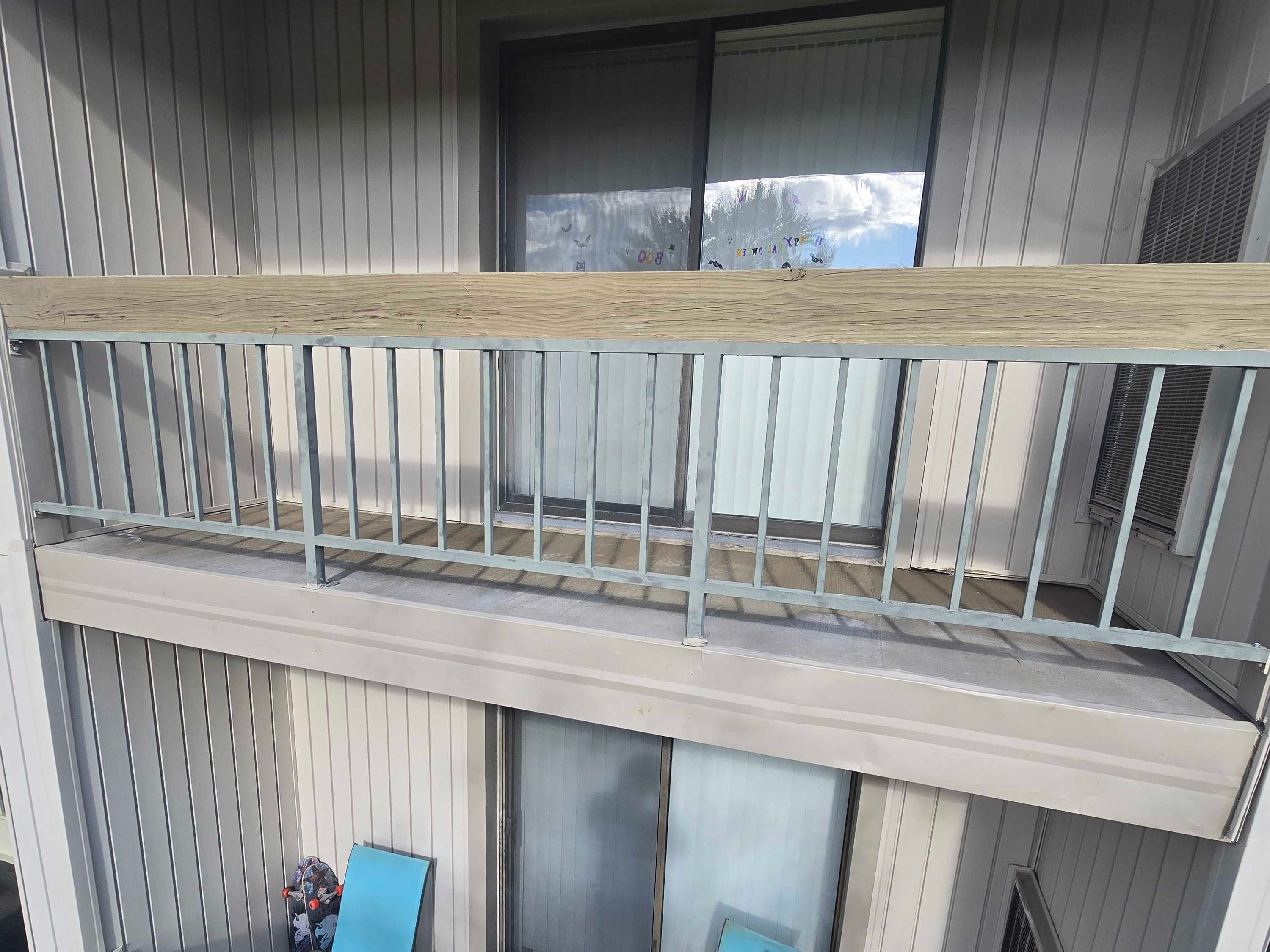
After the underlying repairs were completed, a high-strength cementitious topping was placed and finished. Flashing and soffit components were removed and reset as necessary, and the balcony railings were reinstalled.
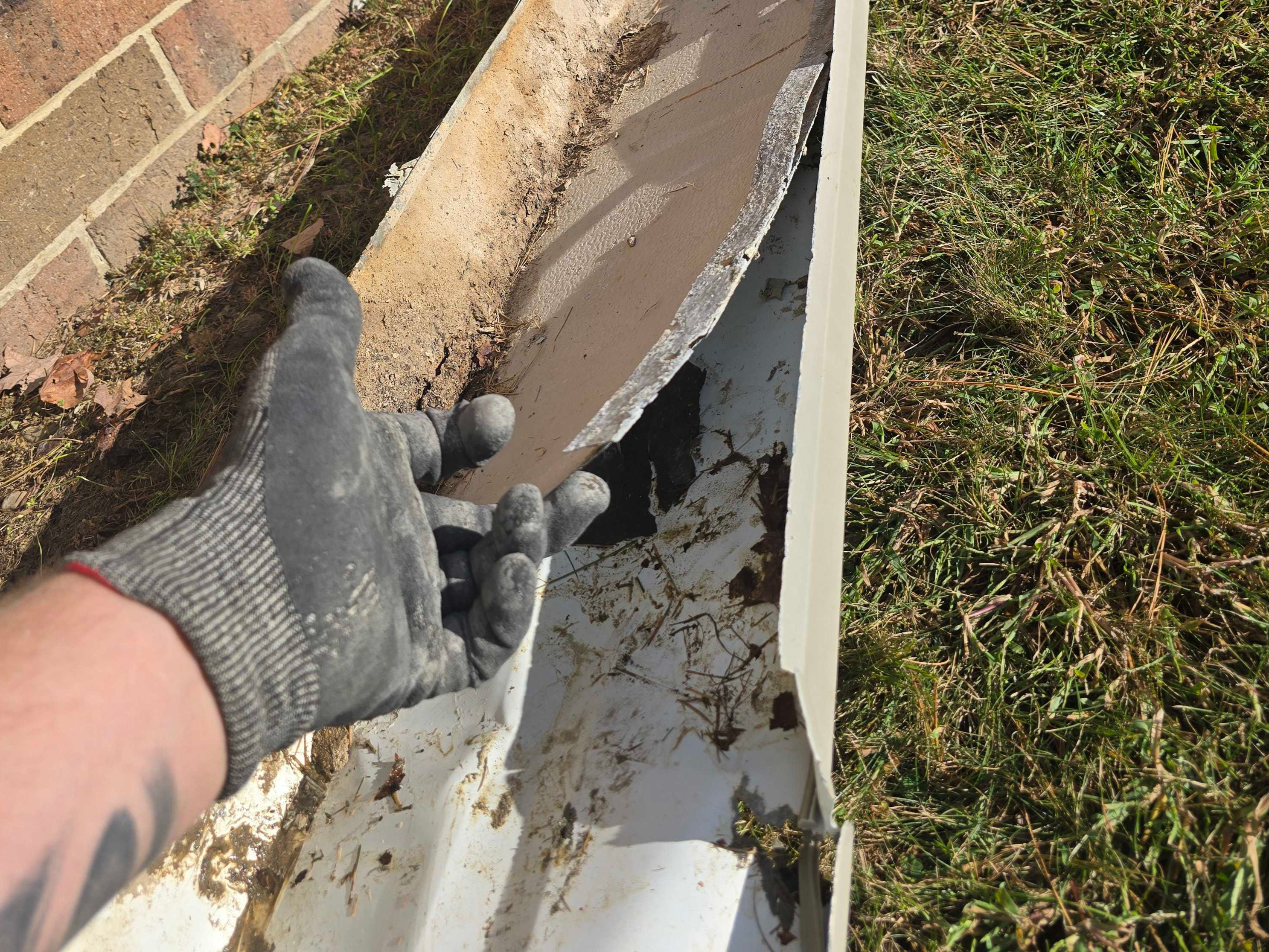
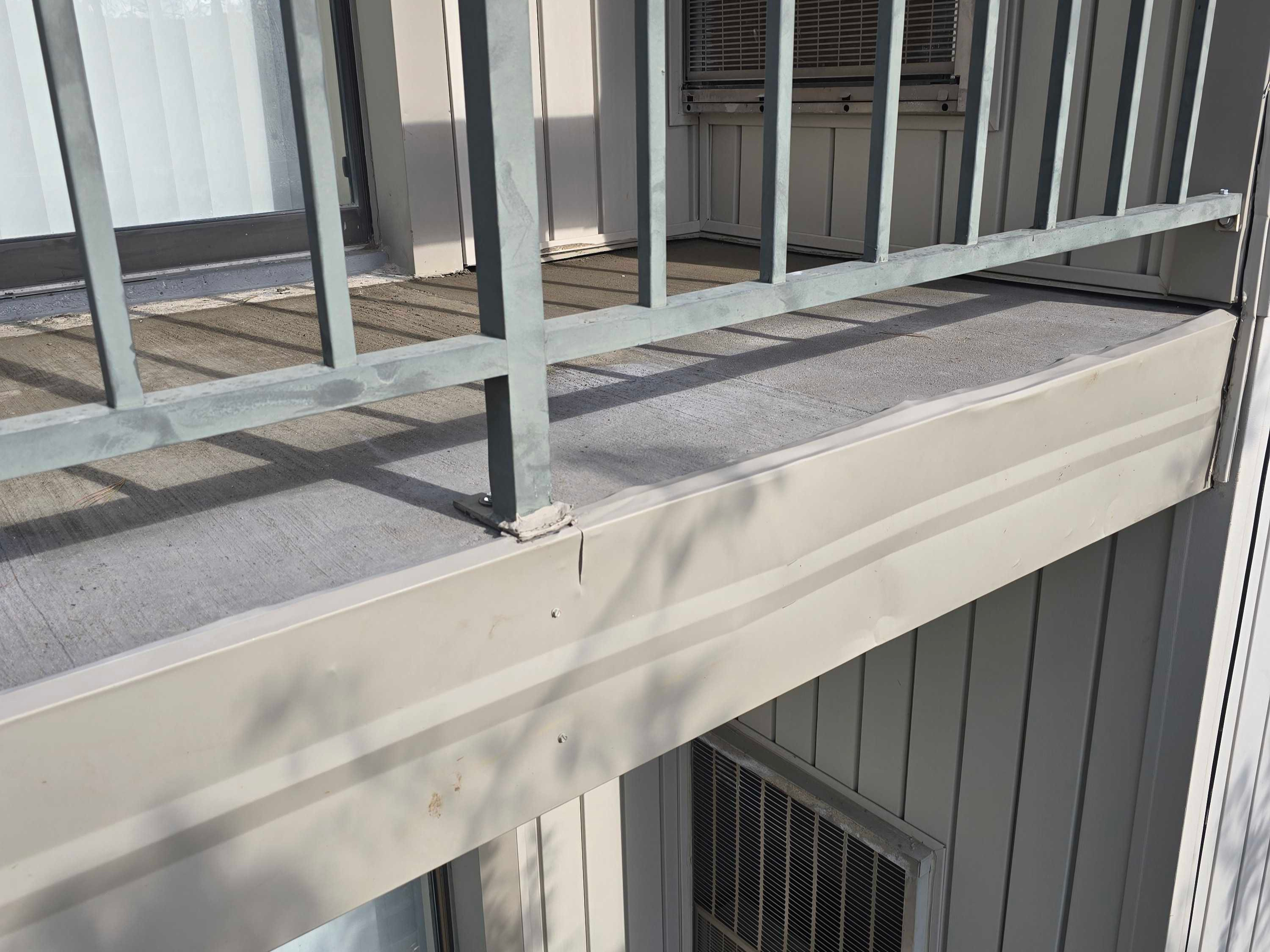
When a section of existing flashing was found damaged during reassembly, our team flagged the condition rather than reinstalling bent material and recommended that new flashing be furnished.
.png)